General Contractor Expertise: Making Sure Your Project Succeeds
General contractor services play a vital role in the construction industry. These professionals manage the challenges of building endeavors, making sure all aspects proceed efficiently from inception to completion. Their responsibilities include obtaining necessary permits, overseeing subcontractors, and adhering to budgets. In spite of these important roles, a large number of clients remain uncertain of the process of choosing the appropriate contractor or the difficulties these experts encounter. Understanding these aspects can significantly influence project outcomes, prompting further exploration into the nuances of their services.
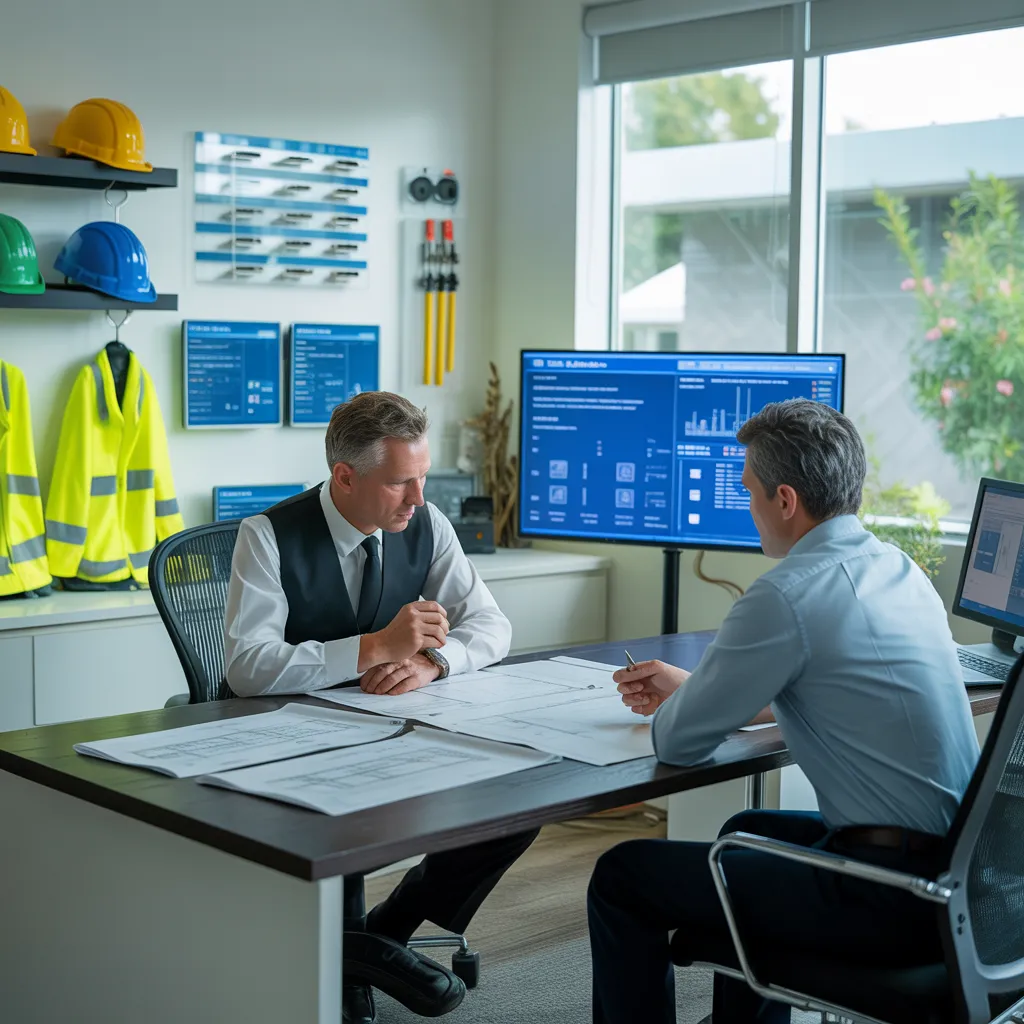
Main Services That General Contractors Offer
General contractors play a vital role in the building industry by offering a variety of core services. They are tasked with supervising the full construction process, guaranteeing that projects are completed on time and within budget. Fundamental services encompass project management, where they oversee numerous tasks and subcontractors, maintaining efficient communication and workflow. Additionally, they handle procurement, acquiring materials and equipment required for the project while negotiating contracts with suppliers.
General contractors additionally ensure compliance with local building codes and regulations, shielding the project against legal issues. They frequently perform site inspections to oversee progress and copyright quality standards. Furthermore, they handle budgets, recording expenses and tackling any financial concerns that may develop. Through these thorough services, general contractors act as the pivotal figure in construction projects, facilitating a smooth and efficient execution from inception to completion. Their proficiency is essential for attaining desired results in construction ventures.
Exploring the Role of a General Contractor
The position of a construction manager encompasses a series of essential obligations that guarantee the efficient management of construction endeavors. Strong communication is crucial, as it facilitates cooperation among multiple stakeholders, including clients, subcontractors, and suppliers. Understanding these aspects is necessary for appreciating the benefit a construction manager delivers to every project.
Core Responsibilities Outlined
Navigating the complexities of construction projects demands a solid understanding of the key roles held by a general contractor. Primarily, a general contractor manages the entire construction process, working between various subcontractors and confirming that work aligns with the project timeline and budget. They are charged with obtaining necessary permits and licenses, overseeing procurement of materials, and carrying out regular site inspections to copyright quality standards. Furthermore, they serve as the primary point of contact for the client, resolving any concerns that arise during the project. By efficiently overseeing resources and timelines, the general contractor proves essential in minimizing delays and confirming that the project complies with safety regulations and building codes, consistently achieving project success.
Value of Effective Communication
Strong communication acts as the backbone of thriving construction project oversight. Skilled general contractors must efficiently communicate key details across clients, subcontractors, and suppliers to ensure project objectives are achieved. This involves addressing budgets, timelines, and design requirements, which are critical for maintaining project momentum. Breakdowns in communication can cause costly holdups and poor-quality results, emphasizing the need for transparency across all communications. Regular updates and open lines of communication foster collaboration and help identify potential issues before they escalate. Additionally, a general contractor's ability to translate technical jargon into layman's terms enhances client understanding and satisfaction. Ultimately, effective communication not only streamlines the construction process but also builds trust among all parties involved, resulting in the overall success of the project.
How to Select the Best General Contractor for Your Project
Selecting the most suitable construction professional for a job can substantially determine its success. Those seeking contractors should begin by investigating the contractor's credentials, including licensing, insurance, and bonding, which are essential measures of dependability. Suggestions from family, friends, or industry experts can supply helpful perspective into a contractor's reputation and past performance.
Furthermore, analyzing portfolios and case studies is useful for assessing a contractor's expertise in related projects. Holding interviews is a vital step, asking specific questions about their approach, timelines, and problem-solving strategies. Gathering several bids enables clients to assess pricing, however the cheapest option is not necessarily the most suitable; expertise and quality ought to play a significant role in the final choice.
Ultimately, assessing communication methods and verifying compatibility with project requirements is crucial. A contractor who attentively listens and appreciates the client's vision can cultivate a cooperative atmosphere, paving the way for positive project results.
How Strong Communication Improves Construction Projects
Open communication functions as a cornerstone for thriving construction endeavors, keeping all involved parties on the same page from start to finish. Reliable communication pathways support the dissemination of vital details, including project requirements and schedules. This openness serves to avoid miscommunication, minimizing the chances of expensive setbacks and revisions.
Consistent updates and feedback cycles promote collaboration between architects, engineers, and contractors, cultivating a team-oriented environment. When objectives are transparently communicated, team members can focus on their respective duties with assurance, knowing they are striving for a unified purpose.
Additionally, addressing concerns promptly through open dialogue lessens conflict and strengthens reliability among stakeholders. This forward-thinking method not only improves issue resolution but also cultivates a sense of responsibility. At its core, the application of powerful communication methods substantially advances the general success and effectiveness of construction initiatives, creating a clear path toward on-schedule delivery and superior results.
How Contractors Control Your Budget and Timeline
Accurate budget planning and timeline oversight are essential elements within the construction industry. Contractors utilize detailed planning and resource allocation to confirm construction efforts remain financially sound while meeting deadlines. By balancing these factors, they elevate the overall success of projects and strengthen client relationships.
Precise Budget Estimation
Precise budget estimation is critical for the success of any construction project, as it directly affects both the financial and timeline aspects. General contractors apply detailed cost evaluation strategies, including precise material and labor more info reviews, to determine an effective budget. They often rely on past project data and prevailing market conditions to estimate expenditures reliably. By accounting for possible contingencies and unexpected expenses, contractors establish a practical financial structure that safeguards clients against financial overages. Additionally, they partner directly with suppliers and subcontractors to secure competitive pricing, ensuring that the budget continues to support project targets. This meticulous approach not only cultivates reliability but also boosts project productivity, ultimately contributing to the successful completion of the construction endeavor.
Effective Timeline Management
Perfecting project scheduling is essential for contractors as it significantly affects both the length of a project and financial compliance. Skilled construction professionals utilize thorough scheduling strategies, using software tools to develop detailed project plans that map out each stage of the project. They establish important project goals and manage resources effectively, making sure deadlines are consistently met. Consistent performance tracking allows for quick modifications, minimizing delays caused by unforeseen circumstances. Furthermore, proactive communication with suppliers and project partners promotes cooperative working relationships, further streamlining the workflow. By staying committed to project timelines and financial limits, general contractors can manage difficulties with confidence, reliably completing projects that align with client goals while staying within budgetary boundaries. This disciplined methodology is fundamental to achieving excellence in construction.
Common Challenges General Contractors Address
Managing the intricacies of construction projects presents numerous obstacles for general contractors. Chief among these obstacles is the oversight of various subcontractors, each requiring effective communication and oversight to ensure timely completion. Additionally, unexpected delays often emerge due to unforeseen site conditions, weather disruptions, or supply chain complications, requiring quick problem-solving skills. Budget constraints also pose significant challenges, as contractors must maintain a careful equilibrium between quality and budget while meeting client expectations. Following local regulatory requirements and construction standards adds another layer of challenge, requiring contractors to remain current with legal requirements. Beyond that, managing client expectations and fostering clear lines of communication can be difficult, particularly when clients demand changes mid-project. Ultimately, general contractors must address these hurdles with proficiency and resourcefulness to guarantee project success while maintaining high standards of quality and safety.
Enduring Rewards of Working with a Qualified General Contractor
Trust in craftsmanship frequently helps clients understand the lasting advantages of working with an experienced general contractor. These professionals bring a wealth of experience that assures that projects are delivered to high standards. Their ability to manage timelines and budgets effectively minimizes costly delays, which can significantly affect the overall financial health of the project at hand.
In addition, skilled contractors hold comprehensive relationships of trusted trade partners and vendors, allowing for superior materials and services. This network typically produces excellent construction results and minimized long-term concerns, producing lasting quality.
Furthermore, a skilled contractor can manage complex regulations and permits, confirming compliance and decreasing the risk of legal complications. Their anticipatory problem-solving skills can also resolve unforeseen challenges effectively, protecting the project's quality. Ultimately, hiring a skilled general contractor not only elevates the short-term results but also contributes to the long-term value of the investment.
Common Questions and Answers
What Qualifications Should I Seek in a General Contractor?
When hiring a construction contractor, one should consider credentials, experience, references, licensing, insurance, and communication skills. A qualified contractor displays reliability, professionalism, and a demonstrated history of successful project management and client satisfaction.
How Do General Contractors Deal With Permits and Inspections?
General construction managers handle inspections and permits by securing required approvals from municipal authorities, guaranteeing adherence to building codes. They carefully coordinate inspection schedules, handle concerns without delay, and sustain open communication with stakeholders to facilitate project progression.
Can You Hire a General Contractor for Smaller Projects?
Indeed, clients can engage general contractors for small projects. Several contractors supply services tailored to small-scale repairs and renovations, delivering skilled workmanship and conformance to local building regulations, streamlining the overall process for homeowners.
What Insurance Coverage Should a General Contractor Maintain?
A general contractor must maintain general liability insurance, workers' compensation, and commercial auto insurance. These insurance types cover vehicle-related incidents, employee injuries, and potential damages, offering financial safeguards for contractors and their clients across all project phases.
What Are the Steps to Resolve Disputes With My Contractor?
To address conflicts with a contractor, individuals should first communicate their concerns directly. If unresolved, consulting the contract and pursuing mediation or legal counsel can assist in achieving an equitable outcome and safeguarding their rights.
Comments on “General Contractor in San Diego: Licensed General Contracting Services”